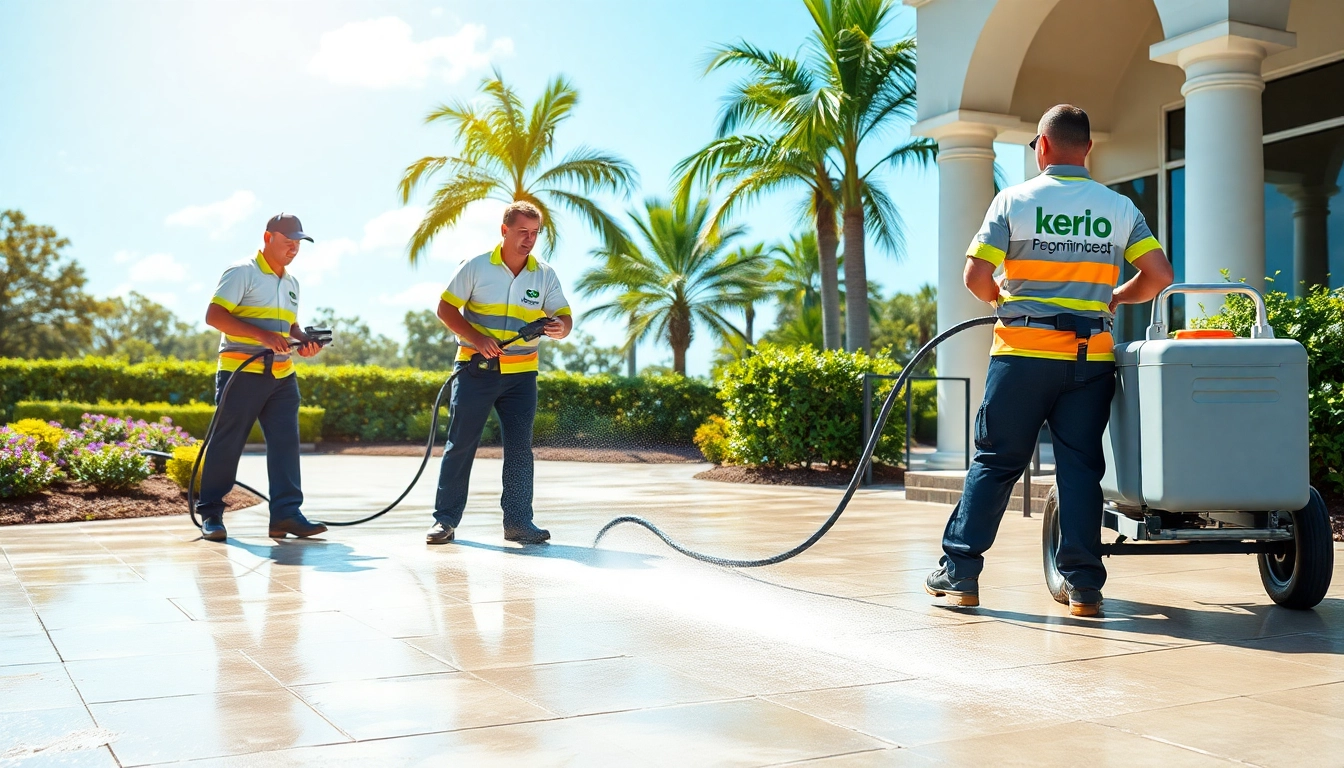
Understanding Concrete Cleaning Techniques
Concrete cleaning is essential for maintaining the aesthetic appeal and longevity of concrete surfaces in both residential and commercial properties. Whether it’s driveways, patios, or sidewalks, accumulated grime can negatively impact the appearance and structural integrity of concrete. Effective cleaning not only enhances curb appeal but also extends the life of the concrete. In Kissimmee, FL, effective concrete cleaning techniques are vital in combating the humid subtropical climate, which may encourage the growth of mold, mildew, and algae.
The Importance of Concrete Cleaning
Regular concrete cleaning is crucial for several reasons, including:
- Enhancing Curb Appeal: Clean concrete surfaces improve the visual aspect of your property, making it more inviting for visitors and potential buyers.
- Preventing Damage: Neglecting to clean concrete can lead to irreversible damage over time, such as cracks and stains caused by oil, mold, and other contaminants.
- Increasing Safety: Dirty surfaces can become slippery, creating potential hazards. Regular cleaning can reduce slip-and-fall accidents.
Types of Concrete Cleaning Methods
Concrete cleaning involves several methods, each suited to different types of stains and surfaces:
- Pressure Washing: This technique utilizes high-pressure water spray to remove dirt, grime, and stains effectively. It’s ideal for large areas.
- Soft Washing: A gentler approach that employs low-pressure water combined with eco-friendly detergents, perfect for delicate surfaces, such as stamped concrete.
- Chemical Cleaning: Involves using specialized cleaning agents that break down stubborn stains like oil and grease. This method can be used alongside pressure washing for optimal results.
Choosing the Right Equipment for Concrete Cleaning
Deciding on the right equipment is essential for effective cleaning. Some factors to consider include:
- Pressure Washers: Choose a pressure washer with appropriate PSI (pounds per square inch) and GPM (gallons per minute) ratings based on the cleaning task.
- Nozzles: Different nozzles provide varying spray patterns. For example, a 25-degree nozzle is versatile for most cleaning tasks, while a 0-degree nozzle is best for concentrated cleaning.
- Detergents: Eco-friendly cleaning agents should be prioritized, especially in residential areas where runoff can impact local wildlife.
Best Practices for Residential Concrete Cleaning
Homeowners can benefit immensely from understanding the best practices for cleaning their concrete surfaces effectively and safely. By following structured steps, they can achieve professional-level results without the high costs associated with hiring professionals.
Preparing Your Concrete Surface for Cleaning
Preparation is key to successful concrete cleaning. Here are essential steps:
- Clear the Area: Remove any furniture, potted plants, and debris from the concrete surface.
- Inspect for Damage: Look for cracks or other damage that might worsen under pressure washing.
- Pre-Treat Stains: Apply pre-treatment solutions for stubborn stains, allowing them to sit for the recommended time to enhance effectiveness.
Step-by-Step Guide to Clean Your Driveway
- Begin washing at one end and move systematically, working your way across the surface.
- Maintain a consistent distance of about 12 inches from the surface.
- Rinse thoroughly to remove any residue from cleaning agents.
- Allow the surface to dry completely before replacing any furniture or items.
Common Mistakes to Avoid in Residential Cleaning
Achieving a spotless finish can sometimes be hindered by common pitfalls:
- Ignoring Safety Gear: Always wear protective gear, including goggles and gloves, to shield yourself from debris and cleaning agents.
- Using Wrong Equipment: Using equipment not intended for concrete can lead to surface damage. Always consult the manual or a professional if unsure.
- Rushing the Process: Proper cleaning takes time; rushing can lead to incomplete results.
Commercial Concrete Cleaning Solutions
For business owners, maintaining clean concrete surfaces is essential for making positive first impressions and ensuring safety. A professional service can take care of large-scale cleaning efficiently.
Benefits of Professional Concrete Cleaning Services
Hiring professionals can provide numerous advantages, including:
- Specialized Equipment: Professionals utilize high-grade equipment that can achieve results that are often unattainable with consumer models.
- Expertise in Handling Different Stains: Experienced cleaners can diagnose and treat various stains appropriately.
- Time Efficiency: Speedy and effective cleaning allows businesses to minimize downtime and disruption.
Understanding Different Commercial Needs for Concrete
Each commercial property has unique requirements based on its usage, foot traffic, and environment:
- Retail Spaces: These areas benefit from regular cleaning to enhance the shopping experience.
- Industrial Areas: Heavy-duty cleaning may be required to deal with grease, oil, and heavy machinery stains.
- Parking Lots: Regular maintenance prevents the buildup of dirt and oil that can create hazards.
How to Schedule and Maintain Cleaning for Business Properties
For optimal upkeep, consider these strategies:
- Regular Schedule: Establish a cleaning schedule based on foot traffic and environmental conditions, such as bi-weekly or monthly cleanings.
- Emergency Cleaning: Be prepared to address spills or accidents immediately to prevent stains from setting.
- Employee Training: Educate staff to recognize when surfaces require cleaning.
Environmental Considerations in Concrete Cleaning
As environmental concerns grow, adopting eco-friendly concrete cleaning practices has become increasingly essential. Businesses and homeowners alike should consider their ecological footprint when cleaning.
Eco-Friendly Cleaning Agents and Practices
Using eco-friendly cleaning agents reduces harmful runoff and the impact on local ecosystems. Look for products that are biodegradable and free of harsh chemicals.
Water Usage and Reclamation Strategies
Concrete cleaning can consume a significant amount of water. To mitigate this, consider:
- Water Reclamation Systems: These systems collect wastewater for reuse, minimizing overall water consumption.
- Using High-Efficiency Equipment: Many modern pressure washers use less water while still achieving powerful cleaning results.
Impact of Chemical Cleaners on Surrounding Areas
Be mindful of the chemical cleaners you choose, as substances can seep into nearby soil and waterways, impacting local flora and fauna. Always read product labels and opt for environmentally friendly alternatives.
Future Trends in Concrete Cleaning
The concrete cleaning industry is evolving, influenced by technological advancements and changing consumer preferences. As we approach 2025, several trends are emerging that will shape the future of concrete cleaning.
Innovative Technologies Shaping the Industry in 2025
Future cleaning solutions will likely feature:
- Automated Cleaning Equipment: Robots and automated machines may take over routine cleaning tasks, enhancing efficiency.
- AI-Driven Solutions: AI can enable predictive maintenance, allowing businesses to schedule cleanings before visible issues arise.
Predicting Changes in Customer Preferences
As awareness of environmental issues grows, customers will increasingly demand:
- Eco-Friendly Solutions: There will be an uptick in consumer preference for biodegradable and sustainable cleaning products.
- Transparent Practices: Customers will desire clarity on cleaning processes and the environmental impact of the products used.
Preparing Your Business for Future Cleaning Demands
To stay competitive, businesses should consider:
- Investing in Training: Equip staff with knowledge about the latest cleaning technologies and eco-friendly practices.
- Leveraging Technology: Embrace tools that enhance cleaning efficiency and effectiveness.