Understanding the Basics of Bathroom Remodeling
What is Bathroom Remodeling?
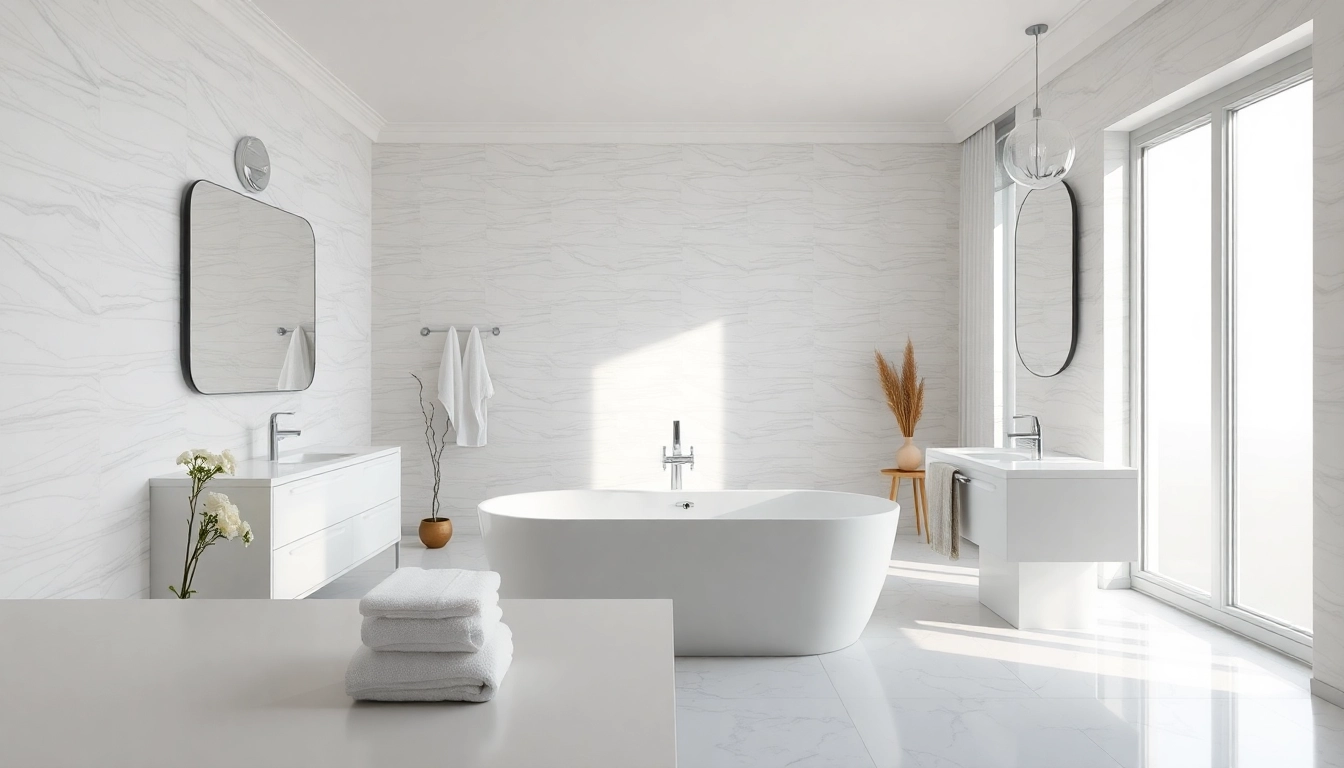
Bathroom remodeling refers to the process of renovating or updating a bathroom space to enhance its aesthetic appeal, functionality, and overall efficiency. This can include anything from simply changing fixtures like faucets and toilets to a complete overhaul that involves relocating plumbing, installing new tiles, or adding storage solutions. A well-executed bathroom remodeling project not only improves the look of a home but can also increase its value and appeal on the real estate market.
Key Considerations for Your Project
Before diving into a remodeling project, homeowners should consider various factors that can significantly impact the outcome. These include:
- Functionality: Assess how the current layout serves your needs and what changes could enhance usability.
- Aesthetic Preferences: Define your style—modern, rustic, or traditional—and choose materials and colors accordingly.
- Accessibility: Think about usability for all family members, particularly in terms of installing grab bars, wider doors, or walk-in showers.
- Natural Light: Consider ways to enhance lighting, whether through windows, skylights, or better light fixtures.
Budgeting for Bathroom Remodeling
Establishing a realistic budget is crucial for any remodeling project. It involves considering the costs of materials, labor, and unforeseen expenses. A breakdown of potential costs can help:
- Labor: Professional installation can range from 20% to 50% of the total budget.
- Materials: Depending on quality and style, materials can vary greatly in price; allocate 30% to 60% of your budget here.
- Contingency Fund: Set aside 10% to 20% of your total budget for unexpected issues that often arise in remodeling.
Design Ideas to Inspire Your Bathroom Remodeling
Trendy Color Schemes and Materials
Choosing the right color scheme and materials is pivotal for creating the desired ambiance. Popular trends often include:
- Earth Tones: Colors such as beige, taupe, and muted greens evoke tranquility.
- Bold Contrasts: Darker colors like navy or charcoal paired with white fixtures create stunning visual contrasts.
- Natural Materials: Wood accents and natural stone tiles add warmth and elegance.
Space-Saving Solutions for Small Bathrooms
Utilizing the space efficiently is essential in smaller bathrooms. Consider incorporating:
- Floating Vanities: These create the illusion of more floor space while offering storage.
- Corner Showers: Compact and stylish, corner showers save space without sacrificing comfort.
- In-wall Storage: Shelving or cabinetry built into the walls can provide extra storage without consuming valuable space.
Incorporating Technology into Your Design
Modern remodeling often integrates technology for enhanced convenience and efficiency. Ideas include:
- Smart Mirrors: These can display weather updates and your calendar while serving as a standard mirror.
- Heated Floors: A luxury feature that can significantly improve comfort in cold bathrooms.
- Shower Systems: Digital control showers allow you to set temperature and pressure precisely.
Common Challenges in Bathroom Remodeling
Managing a Tight Schedule
One of the main obstacles in bathroom remodeling is adhering to a strict timeline. To effectively manage time:
- Establish Milestones: Break the project into smaller tasks with clear deadlines.
- Plan Ahead: Order materials and schedule contractors ahead of time to avoid delays.
- Communication: Maintain open lines of communication with everyone involved to address issues as they arise.
Dealing with Unexpected Costs
Unforeseen expenses can derail your budget. To minimize the impact:
- Do a Thorough Inspection: Before starting, ensure all plumbing and wiring are up to code to reduce surprises later.
- Utilize a Contingency Fund: Set aside a designated budget for unexpected costs.
- Research: Understanding the average costs of materials and labor can help anticipate deviations.
Finding Quality Contractors
Selecting the right team is vital for a successful remodel. Tips for choosing the right contractor include:
- Check Reviews: Look for feedback from previous clients to assess reliability and quality.
- Ask for Recommendations: Personal referrals can often lead to trustworthy contractors.
- Get Multiple Quotes: This helps ensure fair pricing and gives insight into different strategies.
Best Practices for a Successful Bathroom Remodeling
Planning and Design Stages
A solid plan lays the foundation for a successful remodel. Important steps include:
- Define Goals: Outline what you need and want from the new bathroom.
- Sketch Layouts: Consider the flow and ergonomics of the space in your design sketches.
- Research Materials: Investigate options to align with your vision while remaining budget-friendly.
Permits and Regulations
Many remodeling projects require permits to ensure compliance with local building codes. To navigate this process:
- Consult Local Authorities: Ensure you understand local regulations regarding remodeling.
- Engage Your Contractor: A professional often has experience dealing with permits and can manage this aspect for you.
Ensuring Functionality and Aesthetics
Your remodel should balance beauty and practicality. This can be achieved by:
- Choosing Quality Fixtures: Invest in durable products that combine style with function.
- Maximizing Storage: Include enough storage options to maintain a clutter-free environment.
- Enhancing Natural Light: Use lighting solutions that complement natural light and improve visibility.
Frequently Asked Questions About Bathroom Remodeling
How long does a typical bathroom remodel take?
The duration of a bathroom remodel can range from a few weeks to several months, depending on the extent of renovations and contractor availability.
What are the most popular trends in bathroom remodeling?
Current trends include spa-like designs, sustainable materials, bold color contrasts, and smart technology integrations for added comfort and convenience.
Can I remodel my bathroom on a budget?
Yes! By prioritizing essential updates and opting for budget-friendly materials and fixtures, a stylish remodel is achievable without overspending.
What essential features should I include?
Key features often include ample storage, good lighting, high-quality plumbing fixtures, and non-slip flooring for safety and functionality.
Is it necessary to hire a contractor for remodeling?
While some may choose DIY, hiring a contractor ensures professional quality, compliance with building codes, and can save time through efficiency.