The Evolution of Street Culture in Urban Settings
Street culture has long been an intriguing lens through which to examine urban life. In 2026, this unique blend of artistic expression, social movement, and community engagement continues to thrive, adapting to the ever-changing landscape of our cities. From its roots in marginalized communities to its current widespread acceptance, street culture reflects significant societal shifts and the fusion of diverse influences. Exploring the evolution of this culture not only sheds light on its origins and contemporary forms but also highlights how it remains vibrant and relevant. In this context, understanding platforms like rokok88 offers valuable insights into these cultural dynamics.
Understanding the Origins and Influences
To grasp the evolution of street culture, we must start from its origins in the 1970s and 80s, primarily emerging from urban centers in the United States. Influences ranged from graffiti and breakdancing to hip hop and skateboarding, all thriving in neighborhoods often overlooked by mainstream society. Street culture was a means of self-expression, enabling young people to create their own identities amid socio-political challenges.
In particular, hip hop culture, with its rhythmic beats and lyrical prowess, served as a foundation for various urban art forms. Additionally, punk and skate culture introduced a rebellious attitude, emphasizing individualism and authenticity. As these influences blended, street culture began to encompass a wide array of creative expressions, giving rise to a diverse urban aesthetic that continues to influence artists, designers, and musicians worldwide.
Key Elements Defining Modern Street Culture
Today, modern street culture is characterized by several key elements that define its essence. Firstly, graffiti art has evolved from vandalism to a respected art form, showcased in galleries and public spaces alike. Street art not only beautifies urban settings but also serves as a powerful medium for social commentary, addressing issues such as race, inequality, and climate change.
Secondly, the rise of streetwear has redefined fashion standards. Brands like Supreme and Off-White have made street fashion a staple of global luxury, blending casual wear with high-end aesthetics. This democratization of fashion has allowed individuals from varied backgrounds to express themselves through their clothing choices.
Lastly, music remains a cornerstone of street culture, with genres like rap and urban pop dominating the charts. Artists often draw on personal experiences, using their platforms to discuss social issues and promote community values.
Impact of Technology on Urban Expressions
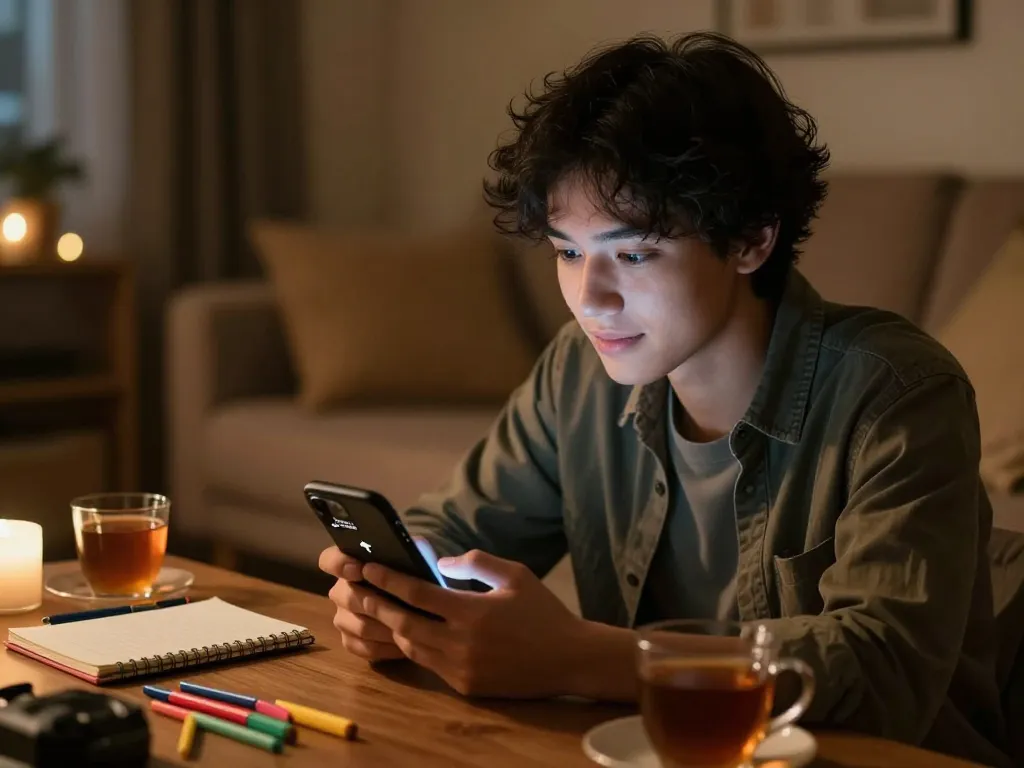
The digital revolution has made a profound impact on how street culture is expressed and consumed. Social media platforms like Instagram and TikTok have become essential tools for artists and influencers to share their work and reach wider audiences. This accessibility fosters a sense of community among creators, enabling collaboration and the rapid spread of trends.
Moreover, technology has introduced innovative forms of art, such as augmented reality (AR) and street art apps that allow users to interact with urban environments in new ways. These developments not only enhance the visual experience of street culture but also encourage participation from local communities, further enriching the cultural landscape.
The Role of Fashion in Urban Life
Fashion plays a pivotal role in the expression of street culture, shaping individual identities and community connections. The evolution of this facet of urban life is fascinating, showcasing how style can act as a means of communication and resistance.
Trend Evolution: Streetwear to High Fashion
The trajectory of streetwear has been nothing short of remarkable. Once dismissed as mere casual attire, it has transformed into a dominant force in the fashion industry. The fusion of streetwear and high fashion blurs traditional boundaries, allowing luxurious brands to collaborate with street artists and designers. This cross-genre collaboration has not only elevated the status of streetwear but also created inclusivity in fashion, where consumers can wear high-end pieces inspired by everyday life.
Moreover, major fashion weeks now feature street-inspired collections, with designers like Virgil Abloh leading the charge at Louis Vuitton. The coalescence of these two worlds illustrates how street culture challenges the conventional hierarchies of fashion, making this style more accessible.
Inclusion and Diversity in Street Style
As street culture has evolved, so too has its focus on inclusion and diversity. The fusion of different cultures within urban environments has enriched the fashion landscape, showcasing a variety of influences from around the globe. Designers and brands are increasingly prioritizing representation, amplifying voices from underrepresented communities.
This commitment to diversity not only fosters a richer fashion narrative but also encourages consumers to embrace their unique backgrounds. Street style has become a canvas for self-expression, validating the experiences of individuals from various cultures and social contexts.
How Social Media Shapes Fashion Trends in 2026
In 2026, social media is the driving force behind fashion trends within street culture. With platforms being fast-paced and visually oriented, influencers can showcase their personal styles in real-time, creating a virtual fashion show for their followers. This phenomenon accelerates trend cycles, allowing styles to emerge and evolve almost overnight.
Moreover, user-generated content has created a diverse tapestry of fashion inspiration, where anyone can contribute to the conversation. As a result, niche styles and subcultures can gain traction without the need for traditional retail channels, giving rise to a more democratic fashion system that reflects a broader spectrum of identities.
Food and Dining Trends within the Urban Experience
The dining landscape within urban settings reflects the dynamic nature of street culture, showcasing an ongoing fusion of flavors, styles, and culinary techniques that both celebrate and innovate tradition.
Gourmet Street Food: A Cultural Movement
Gourmet street food has emerged as a significant cultural movement, transforming local food scenes. What once began with food carts serving simple fare has evolved into a culinary renaissance, where chefs experiment with flavors and presentation. Modern food trucks now offer gourmet versions of traditional dishes, attracting food enthusiasts seeking authentic and exciting dining experiences.
This shift towards gourmet street food reflects a broader trend of culinary creativity, where chefs draw inspiration from their cultural heritage while incorporating contemporary techniques. This evolution not only revitalizes urban food culture but also strengthens community ties through shared culinary experiences.
Local vs. Global Flavors in Modern Cuisine
Urban dining is increasingly characterized by the interplay between local and global flavors. As cities become melting pots of cultures, chefs are inspired to blend traditional dishes with international influences, creating innovative gastronomic landscapes. This amalgamation of flavors allows chefs to tell their personal stories through food, reflecting their backgrounds while catering to diverse palates.
Furthermore, this culinary fusion encourages diners to explore new tastes, fostering an appreciation for cultural diversity. In an age of globalization, the interaction between local and global cuisines offers a rich tapestry of flavors that connects communities and promotes understanding.
The Rise of Food Trucks and Outdoor Dining
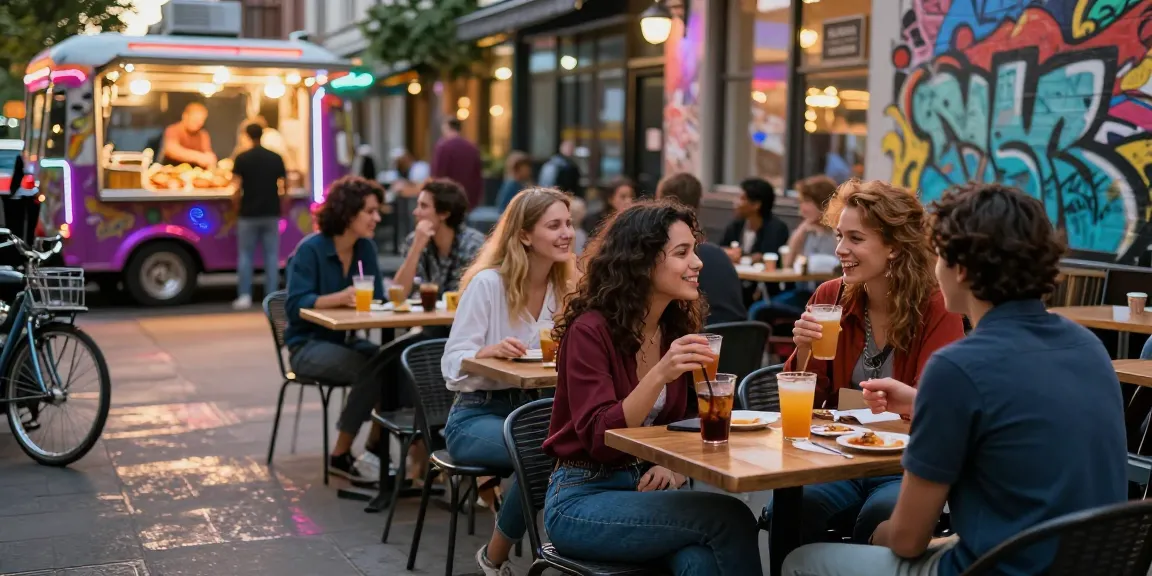
The popularity of food trucks and outdoor dining has surged in recent years, particularly in the wake of the pandemic, which reshaped dining norms. Food trucks provide an affordable and accessible dining option, bringing gourmet cuisine directly to neighborhoods and urban centers. This mobility allows chefs to reach wider audiences and fosters a sense of community, as people gather around these culinary hotspots.
Outdoor dining, enhanced by urban design that accommodates public spaces, has also gained traction. Parks, streetscapes, and open-air markets have become vibrant gathering spots, facilitating social interaction and promoting a sense of belonging in urban environments.
How Community Shapes Urban Culture
The essence of street culture is deeply rooted in community, with the strength of local connections playing a crucial role in shaping urban experiences and identities.
The Importance of Local Gatherings in City Life
Local gatherings serve as crucial touchpoints in city life, fostering relationships among residents and creating a sense of identity. Events such as block parties, art fairs, and street festivals allow communities to come together, celebrate diversity, and showcase local talents. These gatherings not only provide entertainment but also serve as platforms for dialogue and engagement on pressing social issues.
Moreover, the rise of community-led initiatives encourages residents to take ownership of their neighborhoods, inspiring a collective responsibility for maintaining vibrant urban spaces.
Event Spaces and Their Impact on Community Engagement
Event spaces such as community centers, parks, and pop-up venues play a vital role in promoting community engagement. These spaces enable grassroots organizations to host events that align with local interests and needs, creating a sense of belonging among residents. Such initiatives often lead to increased participation in civic activities, fostering community pride and resilience.
Furthermore, versatile event spaces can accommodate diverse activities, ranging from art exhibits to concert series, further enriching the urban cultural landscape.
Case Studies: Successful Urban Festivals and Events
Urban festivals exemplify the power of community engagement in shaping cultural narratives. Events like the Coachella Valley Music and Arts Festival in California or the Notting Hill Carnival in London highlight how music, art, and food can bring diverse communities together, celebrating shared identities while respecting cultural heritage.
These festivals not only amplify local talent but also create economic opportunities for small businesses, further intertwining cultural expression with community vitality. The success of these events underscores the importance of grassroots initiatives and the value of collaboration in fostering a rich urban culture.
Future Trends in Urban Living and Culture
Looking ahead, urban living and culture are poised for significant transformations that will shape the experience of city dwellers well into the future.
Predictions for Urban Development by 2026
By 2026, urban development is expected to undergo a paradigm shift, focusing on sustainability, resilience, and inclusivity. Green architecture and smart city technologies will redefine urban landscapes, providing innovative solutions to tackle issues such as pollution and overcrowding. Mixed-use developments will encourage integrated living, allowing residents to access amenities and services within their neighborhoods.
Furthermore, urban planners will increasingly prioritize public spaces that foster community engagement while promoting a sense of ownership among residents. Sustainable transportation options, such as bike-sharing programs and pedestrian-friendly pathways, will enhance urban mobility, creating more accessible cities.
How Climate Change Will Influence Urban Design
Climate change will significantly impact urban design, necessitating adaptive strategies that prioritize sustainability. Rising sea levels and extreme weather events will drive cities to rethink their infrastructure, implementing eco-friendly designs that minimize environmental footprints.
Additionally, urban green spaces will become integral to city planning, promoting biodiversity while enhancing residents' quality of life. Nature-based solutions, such as urban forests and green roofs, will not only combat urban heat but also provide recreational spaces that foster community well-being.
Emerging Technologies in Enhancing Urban Experiences
Emerging technologies will play a crucial role in enhancing urban experiences, creating smarter, more connected cities. Innovations such as augmented and virtual reality will allow residents to engage with their environments in new ways, offering immersive experiences that bridge the physical and digital worlds.
Moreover, data-driven approaches will enable urban planners to make informed decisions that enhance livability and sustainability. Smart sensors and applications will streamline city services, improving responsiveness to community needs and creating more efficient urban environments.