
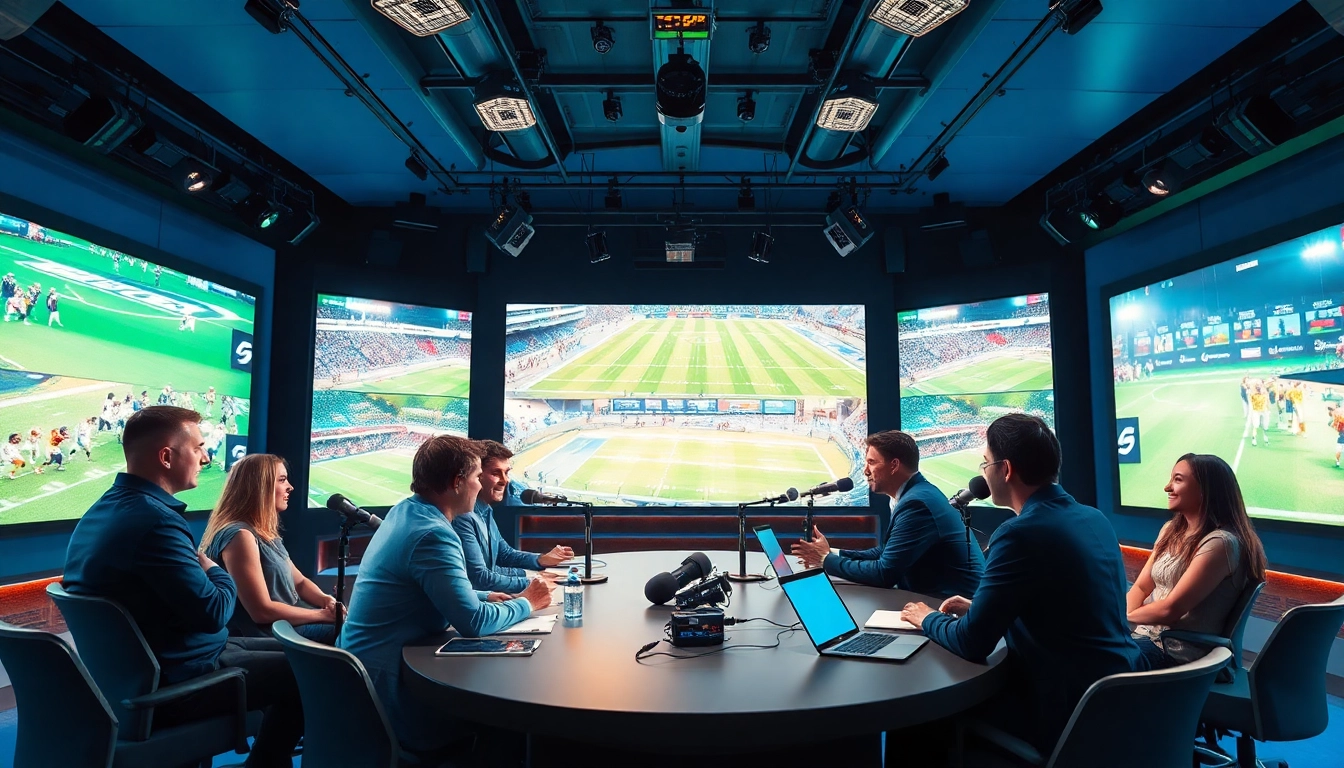
Understanding Sports Broadcasting Fundamentals
Basics of Sports Broadcasting
Sports broadcasting entails the transmission of sports events through various media channels, such as television, radio, and online platforms. It encompasses not only the live coverage of events but also pre- and post-event analyses, expert commentary, and audience interaction. As a pivotal cornerstone of the entertainment industry, Sports Broadcasting significantly influences how audiences engage with their favorite sports, players, and teams.
The fundamental purpose of sports broadcasting is to bring the thrill of live sports to viewers, regardless of location. It melds the art of storytelling with the precision of live coverage, ensuring fans feel immersed in the excitement of each game or event. Broadcasters must develop a keen understanding of their audience's preferences, which include not just the sports themselves but the players, community narratives, and even underlying themes of victory or resilience.
The Importance of Live Coverage
Live coverage remains a cornerstone of the sports broadcasting experience. With the advent of 24-hour news cycles and immediate online updates, the expectation for real-time coverage has never been higher. Viewers desire instantaneous access to results, scores, and highlights, and broadcasters must adapt accordingly. Live broadcasts foster a sense of immediacy and excitement, allowing fans to experience emotions as they unfold.
Besides just broadcasting scores, immediate coverage provides context through play-by-play commentary, expert analysis, and real-time statistics. This enriches the viewer's understanding and connection to the game, making every moment riveting.
Critical Broadcasting Technologies
The landscape of sports broadcasting has evolved remarkably due to technological advancements. High-definition (HD) and 4K broadcasts enhance visual clarity, while digital streaming allows viewers to watch games on various devices, widening accessibility. The incorporation of augmented reality (AR) and virtual reality (VR) creates immersive experiences, allowing fans to engage with the game from unique perspectives.
Moreover, advanced graphics and analytics tools provide real-time stats, enhancing insights into gameplay strategies and player performances. As technology continues to advance, the demand for innovation in sports broadcasting will drive even more captivating experiences for audiences.
Innovative Trends in Sports Broadcasting
Emerging Technologies Impacting Sports Broadcasting
Emerging technologies have drastically reshaped sports broadcasting. Artificial intelligence (AI) and machine learning algorithms are now being employed to analyze player data, develop game strategies, and even enhance viewer experiences through personalized content recommendations. By leveraging big data, broadcasters can predict trends, customize experiences, and cater content to specific audience segments.
Additionally, drones and advanced camera technologies provide dynamic angles and perspectives previously unattainable. This ability for detailed visual storytelling enables broadcasters to capture the energy and excitement of sports in novel ways.
Fan Engagement through Interactive Broadcasting
Interactive broadcasting is changing how fans experience sports. Integrating social media into broadcasts encourages real-time engagement, allowing fans to share reactions, vote on moments, or participate in live polls. These interactions foster a deeper connection between fans and the event, as broadcasters tap into viewer feedback to shape content delivery.
Furthermore, apps and online services allow fans to access alternative commentary, view supplementary content, or join discussions during live games. This shift provides more tailored experiences, making broadcasting less of a one-way street and more of a community-building endeavor.
Data Analytics in Enhancing Broadcasting Performance
Employing data analytics is vital in enhancing the performance of sports broadcasts. Broadcasters utilize analytics to streamline operations, target audiences more effectively, and measure the impact of broadcasts. By analyzing viewer data, broadcasters can refine their segments, focusing on aspects that resonate most with their audience.
Moreover, analytics can aid in the assessment of advertisement effectiveness and overall viewer engagement metrics. Identifying patterns in viewership allows for strategic planning of future broadcasts, thereby optimizing operational efficiency and audience satisfaction.
Best Practices for Effective Sports Broadcasting
Creating a Compelling Broadcast Narrative
Crafting a compelling narrative is essential for engaging broadcast audiences. Broadcasters should focus on storytelling elements that connect emotionally with viewers, such as player backstories, team history, and pivotal moments that define the sport. The narrative arc should create anticipation, excitement, and engagement throughout the event, making each match feel like a significant chapter in a larger story.
Additionally, employing skilled commentators and analysts who can provide insightful commentary and maintain viewer interest is crucial. Their ability to convey emotion and drama can turn a routine game into a memorable experience for fans.
Engaging Viewers through Social Media
In today’s digital-driven environment, harnessing social media is paramount for effective sports broadcasting. Broadcast teams must utilize platforms like Twitter, Facebook, and Instagram to promote inclusivity and enhance viewer engagement. Creating tailored content—such as behind-the-scenes footage, player interviews, and interactive polls—can significantly bolster audience loyalty and participation.
Social media channels also serve as essential feedback tools, allowing broadcasters to analyze viewer sentiment, preferences, and behavior, thereby refining future broadcasts for improved engagement.
Maintaining Broadcast Quality Standards
Ensuring high broadcast quality is fundamental to retaining viewer trust and interest. Broadcasters should uphold rigorous standards regarding audio and video quality, as well as developing consistent editing and production values. Testing technology and personnel thoroughly before major events can mitigate potential issues, ensuring a seamless viewing experience.
Investing in training for production teams and commentators can foster a knowledgeable, agile department capable of addressing challenges as they arise, further enhancing overall broadcast quality.
Challenges in Sports Broadcasting
Navigating Copyright and Licensing Issues
Copyright and licensing represent significant challenges within sports broadcasting, with strict regulations governing the use of game footage and highlights. Broadcasters must ensure compliance with rights agreements, which can vary widely based on the sport and region. It is essential to stay updated on legal requirements and collaborate closely with legal teams to avoid costly infringements.
This often requires negotiation skills and an understanding of the complex landscape of sports media rights, as well as a dedication to ethical broadcasting practices.
Adapting to Technological Disruptions
The rapid pace of technological advancements poses a constant challenge for broadcasters. New platforms and tools emerge frequently, necessitating agility and adaptability within broadcasting teams. Staying abreast of these changes and being willing to experiment with new technologies is vital. Regular training and exploration of innovations will ensure that broadcasters remain competitive and engaging.
Moreover, investing in versatile technological infrastructures can help mitigate disruptions when new innovations are introduced, allowing for smoother transitions and greater ease in evolving broadcasting approaches.
Ensuring Viewership in a Competitive Market
The sports broadcasting market is increasingly competitive, with numerous platforms vying for viewer attention. Maintaining relevance necessitates developing a unique selling proposition that distinguishes one broadcaster from others. Prioritizing audience needs through user-focused content and meaningful interactions can cultivate loyalty.
Understanding market trends and responding quickly to changes in viewer preferences is essential. Regularly soliciting audience feedback will help broadcasters fine-tune their strategies and enhance the overall viewing experience while maintaining viewer interest.
Measuring Success in Sports Broadcasting
Key Performance Indicators for Broadcasters
Measuring success in sports broadcasting relies on identifying appropriate key performance indicators (KPIs). Metrics such as viewer counts, ratings, and engagement levels provide a quantitative basis for evaluating overall performance. Beyond viewer numbers, analyzing factors like audience retention rates, social media engagement, and viewer demographics can inform effective strategy adjustments.
Broadcasters should routinely assess these KPIs to determine what aspects of their broadcasts resonate effectively with audiences and what areas necessitate improvement.
Analyzing Audience Metrics
In-depth analysis of audience metrics is crucial for grasping viewer behaviors and preferences. Tools that segment audiences based on demographics, viewing habits, and engagement can uncover unique insights into how fans interact with broadcasts. Such profiling enables broadcasters to tailor content effectively, meeting the specific needs and desires of their audience.
Moreover, employing survey data and focus group feedback can provide qualitative insights alongside quantitative metrics, creating a comprehensive picture of audience sentiment and satisfaction.
Feedback Loops for Continuous Improvement
Establishing feedback loops is integral to continuous improvement in sports broadcasting. Broadcasters should cultivate channels through which viewers can share thoughts and critiques on their experiences. Regularly implementing viewer feedback into the planning and refinement of future broadcasts can significantly elevate audience satisfaction levels.
This involves engaging with fans directly through social media platforms, conducting surveys, and monitoring audience responses during and after broadcasts. Such strategies not only enhance the quality of subsequent broadcasts but foster a supportive and engaged community around the brand.
FAQs
What is the primary role of a sports broadcaster?
A sports broadcaster provides live commentary and coverage of sports events, engaging viewers with analysis and insights.
How do technology advancements influence sports broadcasting?
Advancements in technology enhance viewer experience through improved visuals, interactivity, and real-time analytics.
What are key challenges faced in sports broadcasting?
Broadcasters face challenges like copyright issues, maintaining viewer engagement, and adapting to rapid technology changes.
How can broadcasters measure their success?
Success can be measured through audience ratings, engagement metrics on social platforms, and post-broadcast surveys.
What should I consider when starting in sports broadcasting?
Developing strong communication skills, understanding sports regulations, and staying updated with industry trends is crucial.